Some thoughts on “Dancers,” the documentary about Egyptian performers

What those of us outside the Middle East tend to call “bellydance” has always been the stuff of fantasy and a bit of willful blindness. The international dance community is, I think, aiming all the time towards more education, more background, more understanding of this dance we find so fascinating. It’s true, there are still so many six-week wonders and perhaps also some highly technical dancers who don’t really care about history, musicality, culture… but there is also so much information, so much scholarship being done, that it’s really a great time to be curious about oriental dance.

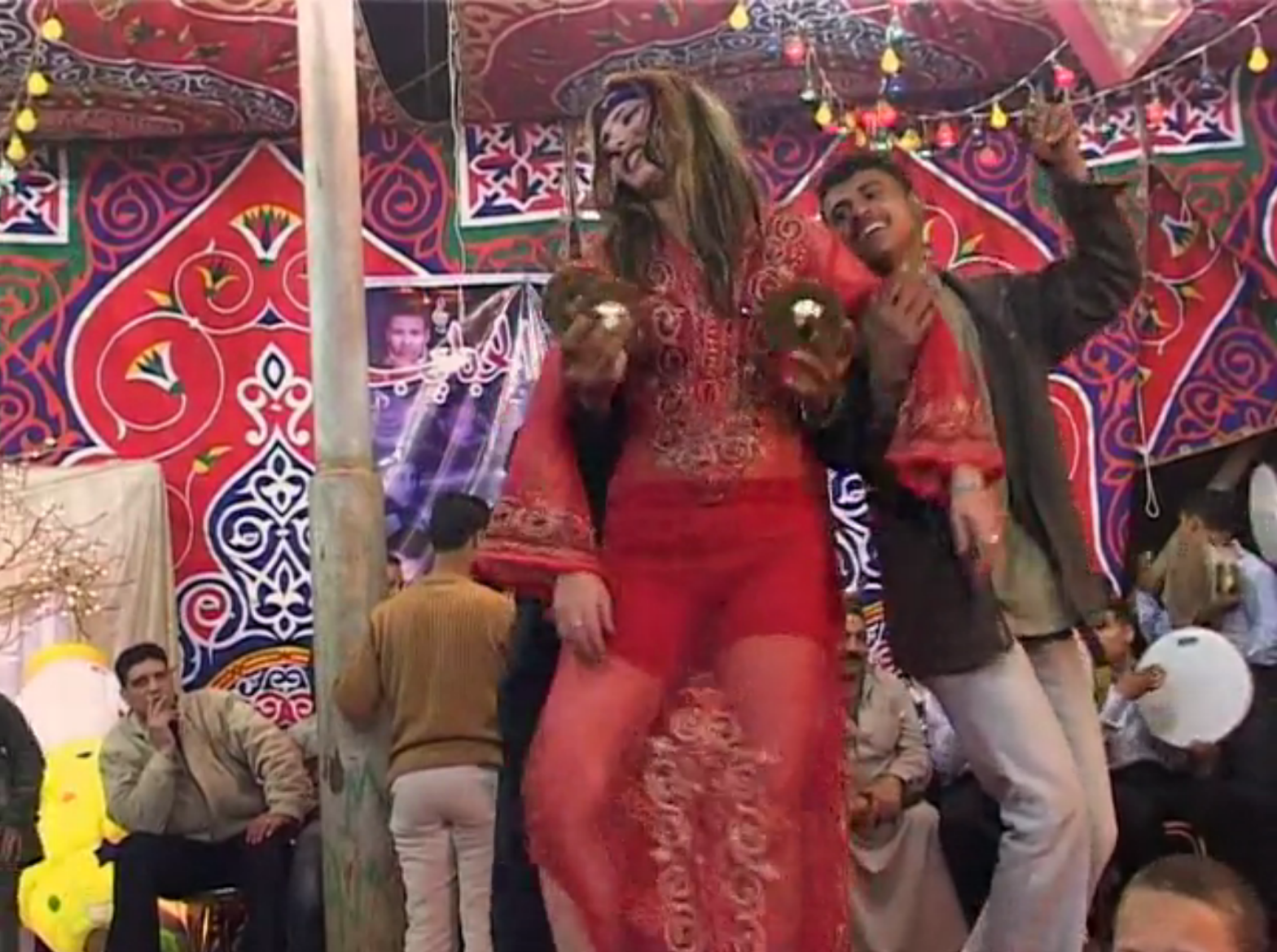
dancers documentary - egyptian dancer getting makeup done

Still, we have a problem. It’s a pretty well-known conundrum. We want to raise up the dance, help it be recognized as the art form it really is. We also want to respect its countries of origin, the cultures that gave us such beautiful music and dances. But dancing in public is not exactly looked upon well in those countries of origin. From everything I read, if you are Egyptian you do not want your daughter to be a professional dancer. Dancers are associated with immorality and prostitution, and sometimes that hits close to the truth. (By the way, in the west we also have a long tradition of associating performers with sexual availability… and a long tradition of that often being the case.)

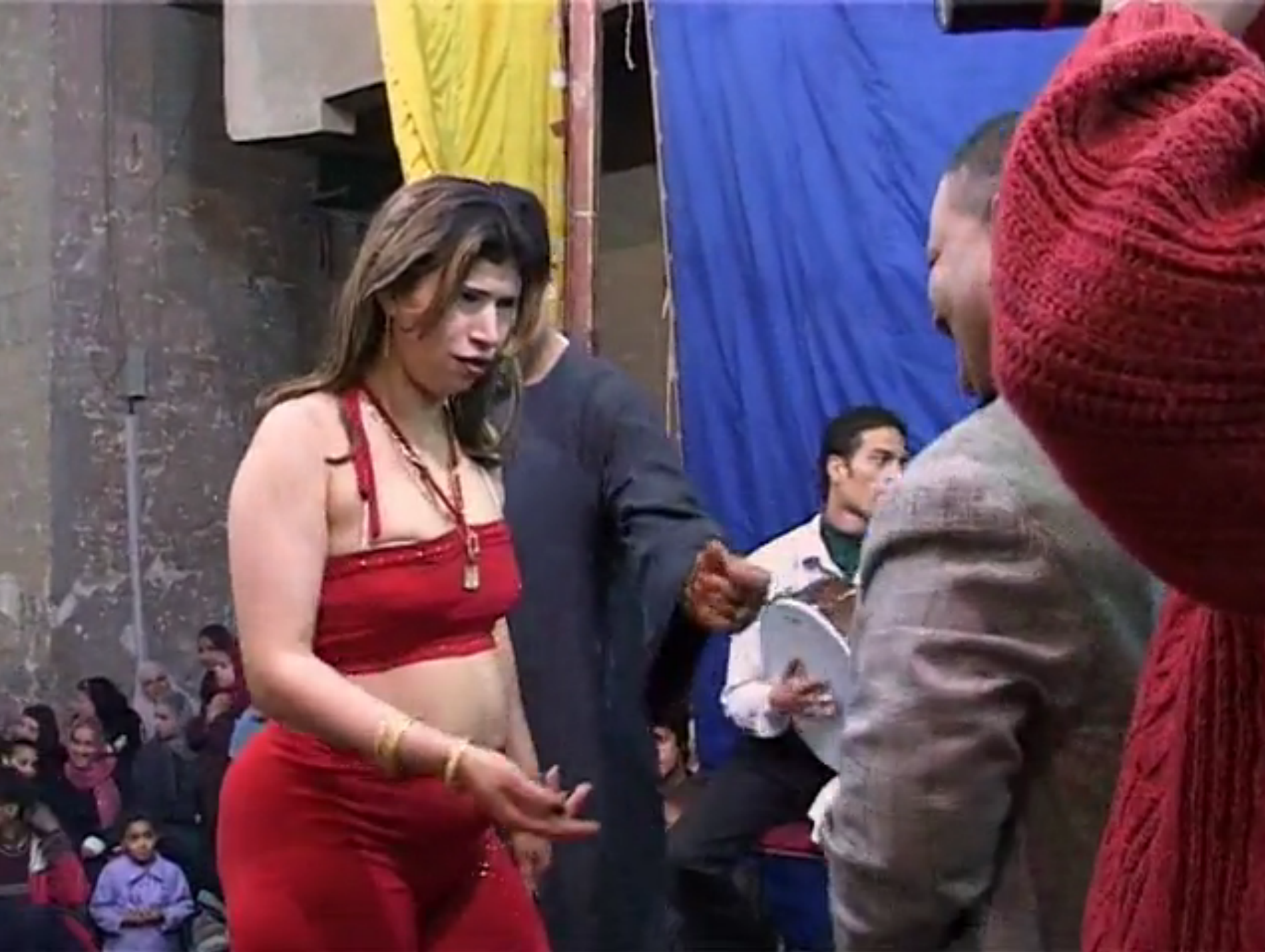
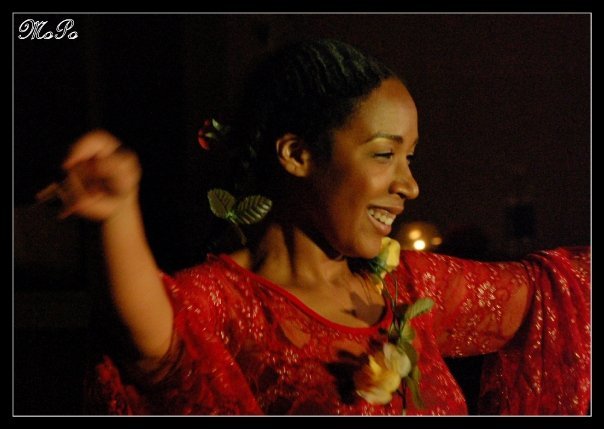
dancers documentary - egyptian dancer mona

Dancers, a free-form but compelling documentary about lower-class Cairo entertainers (which you can watch free online here), is disturbing, but not just for that reason. I came across this via a Facebook link from Saqra Raybuck, who enjoined non-Egyptian dancers to be informed about the various tiers of dance in Egypt. We might coo over Fifi Abdo, tsk-tsk over Dina’s skirts, and pay big bucks to take that workshop with Randa, but as Saqra pointed out, that’s only a limited slice of the dancing pie in Egypt. Far more common is the hard-working, rather poor dancer traveling from gig to gig to make ends meet, moving — often raunchily — in a cheap, ill-fitting costume before a crowd of men eating her up with their eyes.

dancers documentary - egyptian dancer asking for tips

It’s a hard reality to face. It’s hard to see how many of these women “wound up” dancing as a result of a series of misfortunes, parental and spousal abuse, general poverty. It’s the narrative we usually hear about prostitution, not the hired wedding entertainment. It was hard for me to see the 17 year old Mona state in no uncertain terms that she hates what she does, because men take money from their families to spend it on her, because she’s not a respectable, “pure” girl. It’s hard to hear about an attempted rape, or about the way one poor dancer had to be “bought” from her manager by another manager, in what seems to be bordering on pimping or slavery.

And… dare I say it?

It was hard…. to see how bad so much of the dancing was.

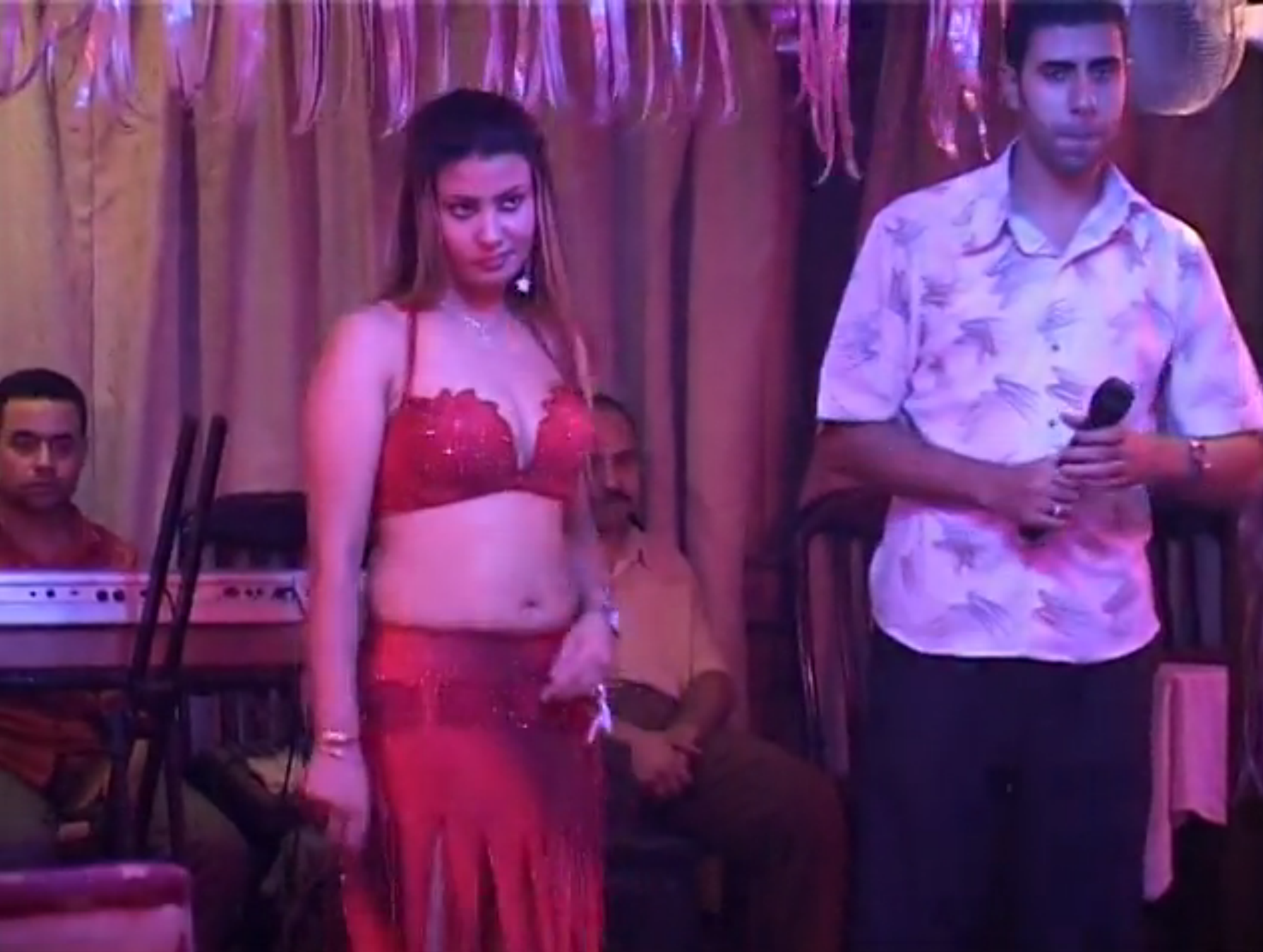
Because that’s also part of the fantasy of Egyptian dance, not just the sparkles on the big stage, but that the “common people” have an authentic connection to the dance and movement, and a deep joy in it. It’s sold to us in the workshops, described as “baladi” or what have you. But common people aren’t just on the farm, they are also the city poor, and while it was clear that many men and women — and children — enjoy dancing socially, often quite well, many of the pros were frankly awful. Sometimes barely moving, minimally interpreting the music, dead in the eyes (which may speak of deeper sadness), and the one reliable dance move being the checking of one’s wristwatch. They might have been able to dance, but they very much didn’t want to. Weirdly, many of the men who came up to dance with the entertainment often moved more impressively than the hired dancer.

dancers documentary - bored egyptian nightclub dancer

The documentary does offer some balance: near the end there is an interview with a mother of five who supports all of her children alone through dance, and who loves it. But overall the feeling was one of performed lifelessness on stage, of the most perfunctory kind of movement. The real warmth is in the private scenes, especially in one longer segment in which a wedding dancer hangs out with the women in the family before going out to dance with the men. She talks to them, is given a plate of food, bothers them for needle and thread to tighten up her costume (“I’m not going to pray”), and eventually dances for the women and kids privately before the big show which the men won’t let them see. There, in that room full of intently watching women, the dancer seems, at last, to enjoy herself.

Review of Zayna Gold’s Healing Through Movement

Zayna Gold’s workout, Healing Through Movement, was designed to help patients with IBD or other digestive disorders such as Chron’s and Colitis, and Celiac. I don’t have any digestive disorders, so I can’t judge the workout from the perspective of its target audience. However, I am very interested in workouts and programs aimed towards people who are not in perfect health. I think you can keep moving even when you are a bit sick, and sometimes it’s one of the best things to do. But it requires a bit of guidance.

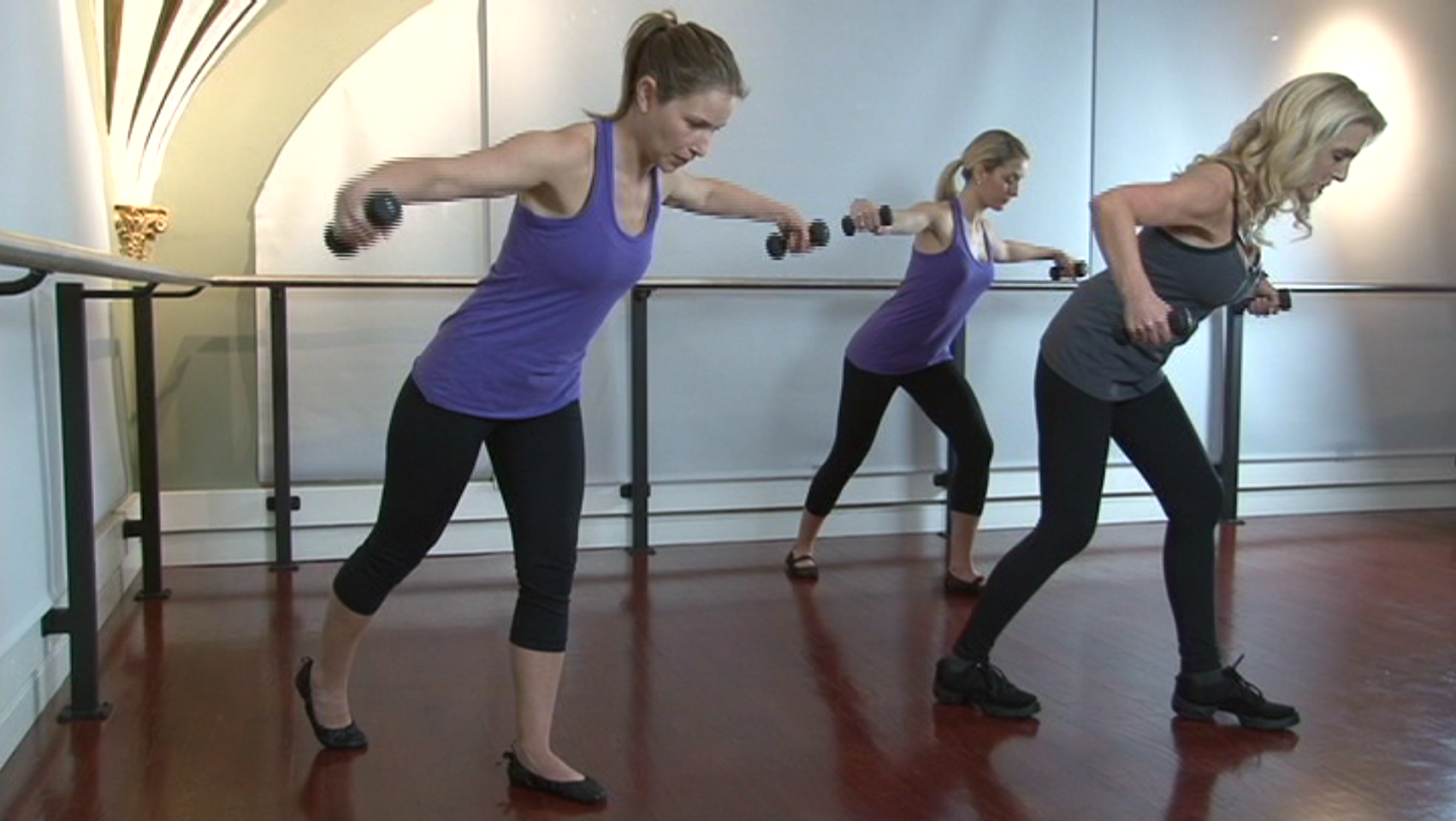
Zayna Gold demonstrates arm exercises with weights

Healing Through Movement is essentially a strength-training workout consisting of four parts. Cycle One: Upper Body is a standing series of basic arm exercises using light hand weights. Cycle Two: Lower Body gives you classic lower body moves such as squats, wide plies, and lunges. Cycle Three: Full Body Workout combines moves from both of the first two sections, so you might do arm lifts while squatting, for example. Finally, the Core Workout is a pilates-based mat series, with exercises on your back and from plank position.

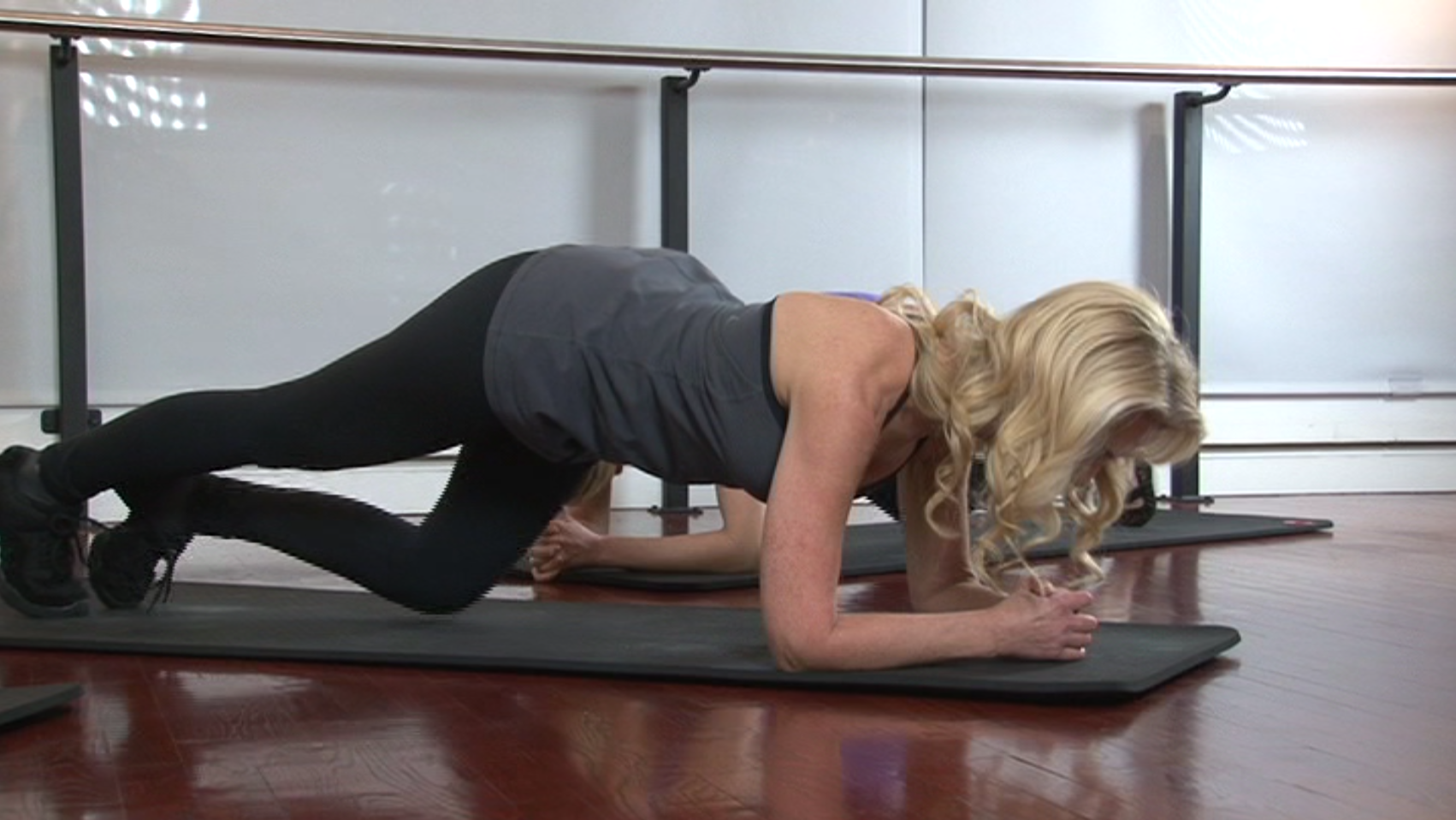
Zayna Gold shows how to make plank harder

For people who have done any exercise at all, most of the exercises will not seem particularly new — though there were a number in the Core Workout section that were indeed new to me. What’s really outstanding about this program is the quality of Zayna’s guidance. For every single exercise, be it ever so simple, she gives you detailed cues  to move your body in a safe way, to use your breath to guide the movement, to work from the core. Even though I was working on my own, with only the DVD and a mirror to guide me, I felt very much in control of my body during the exercises, because they were never rushed, and always thoroughly explained. Zayna has a pleasant, matter-of-fact manner, so it was never grating to hear her talk me through an exercise — rather, it felt like I had a teacher right in the room.

Zayna Gold shows full-body workout

Throughout, Zayna offers modifications and options for people who find a particular position (say, lying on the back) uncomfortable. The cycles are designed so you can repeat them if you want a tougher workout in a particular part of the body. I can imagine, for example, doing Cycle 3 and the Core Workout twice as a mini circuit.

I really liked that this program was just so doable. In forty-five minutes, you have done strength training — enough to sweat — for most of your body. You don’t need fancy equipment, because even the mat and weights are things you can do without. And you don’t need a lot of space, because everything is utterly stationary. It’s the perfect travel workout, in other words. The next day, I felt a light, pleasant muscular pain in my entire body, and if I’m not mistaken, I was standing a little taller too.

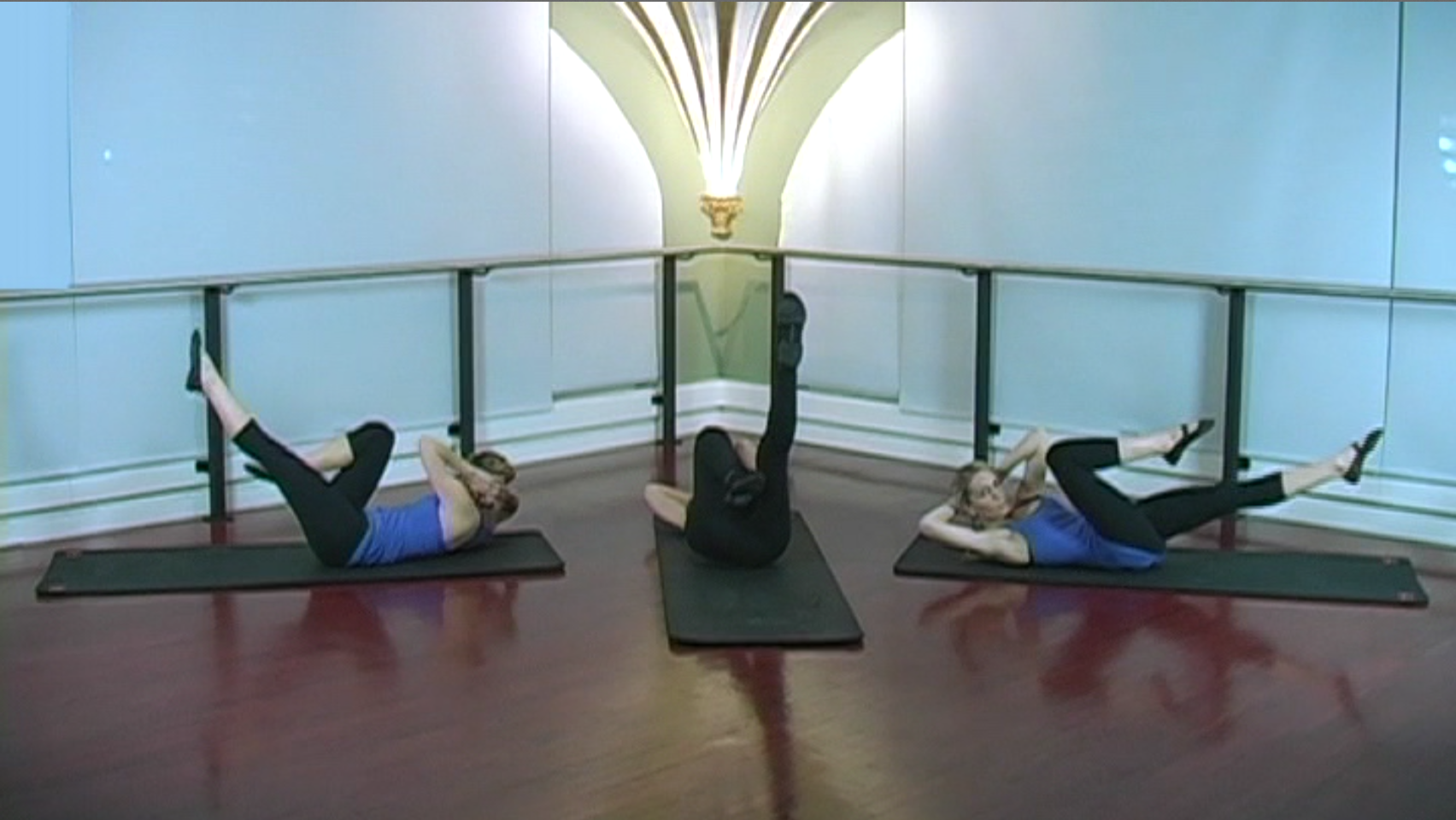
Zayna Gold shows pilates core moves

What I think could have been improved: First, Zayna’s counting was often very different from what she actually did, which was occasionally confusing. Second, I think there really should have been a stretch at the end. I wound up doing my own series of yoga moves to stretch everything out, which felt wonderful, but I think with that kind of weight training a guided stretch should be included. That said, it’s a workout I can see myself returning to. I like how efficient it is, how careful the instruction is, and the core workout is simply great.

I received a review copy of Healing Through Movement. You can get a copy directly from Boston Body Pilates. It’s also currently available on Amazon, but at three times the price.

Review of Belly Dance Drum Solos with Mariyah and Faisal Zedan

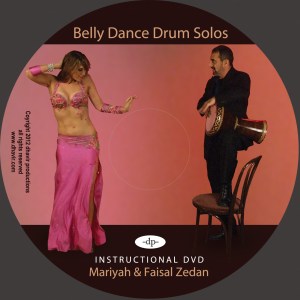
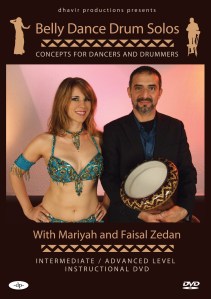
Belly Dance Drum Solos: Concepts for Dancers and Drummers is an intermediate/advanced level instructional DVD put out by dhavir productions. It also happens to be very, very good. It is rich in material, innovative in its pedagogy, and will give the intermediate or advanced student tons to work with.

But let’s get one little thing out of the way. If you are a beginner dancer who does not have a lot of moves in your repertoire, or if you are the kind of person who likes to have a teacher explain every little thing before you feel comfortable following along (nothing wrong with this, it’s a legitimate learning style), your enjoyment of this DVD will be limited. You might still get value out of watching it, but it will be harder for you to use it actively.

Belly Dance Drum Solos is aimed at students who already know a few steps (a screen at the beginning invites you to modify the moves according to your own ability), and who, more importantly, are comfortable doing a bit of follow-along and interpretation. If you are familiar with the bellydance scene at all, you know that the dance is taught in different ways depending on region and teacher. Typically, “Western” students tend to like choreographies and step-by-step instructions, whereas Middle Eastern teaching is often done by example, or “follow the bouncing butt,” and works more with improvisation. But here’s the neat thing: this DVD does both: some sections are designed for you to follow along as best you can, but the DVD also includes a full choreography that is broken down step by step. It’s the best of both worlds.

After a brief written introduction to the DVD, we have a brief warm up routine (primarily for dancers, but drummers are also invited to use it) led by Mariyah. This is not a full, thorough warm up, but rather an exercise in centering yourself using breath. Mariyah talks about how staying centered and connected to your breath is what helps you have energy for an entire drum solo (which I didn’t know), and the movements are indeed delightful. My one criticism here is that the instructions are only written on the screen, which makes it difficult to follow them during the frequent forward bends. Faisal Zedan follows with a brief discussion of the importance of posture and warming up for drummers.
Dhavir 2

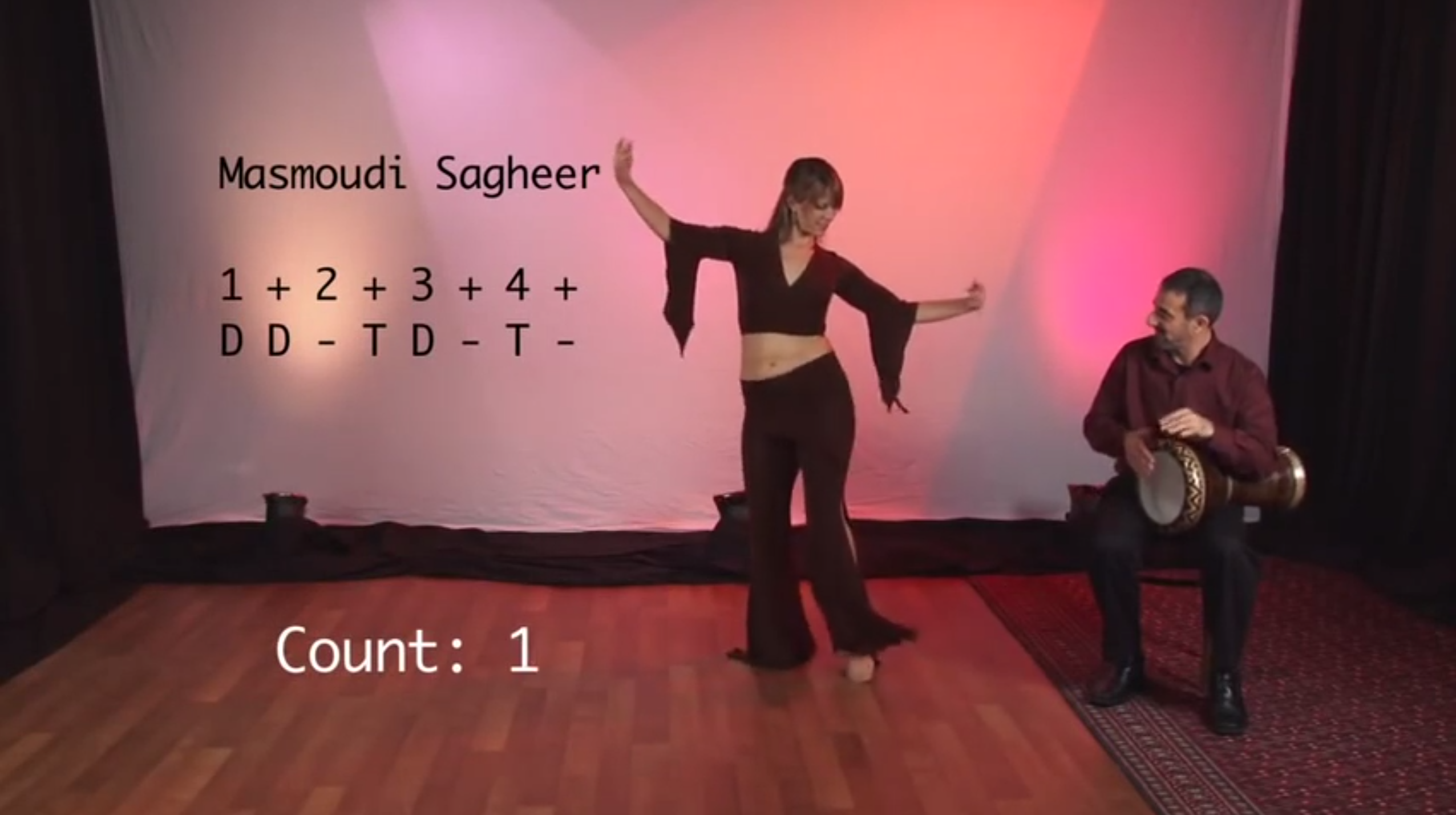
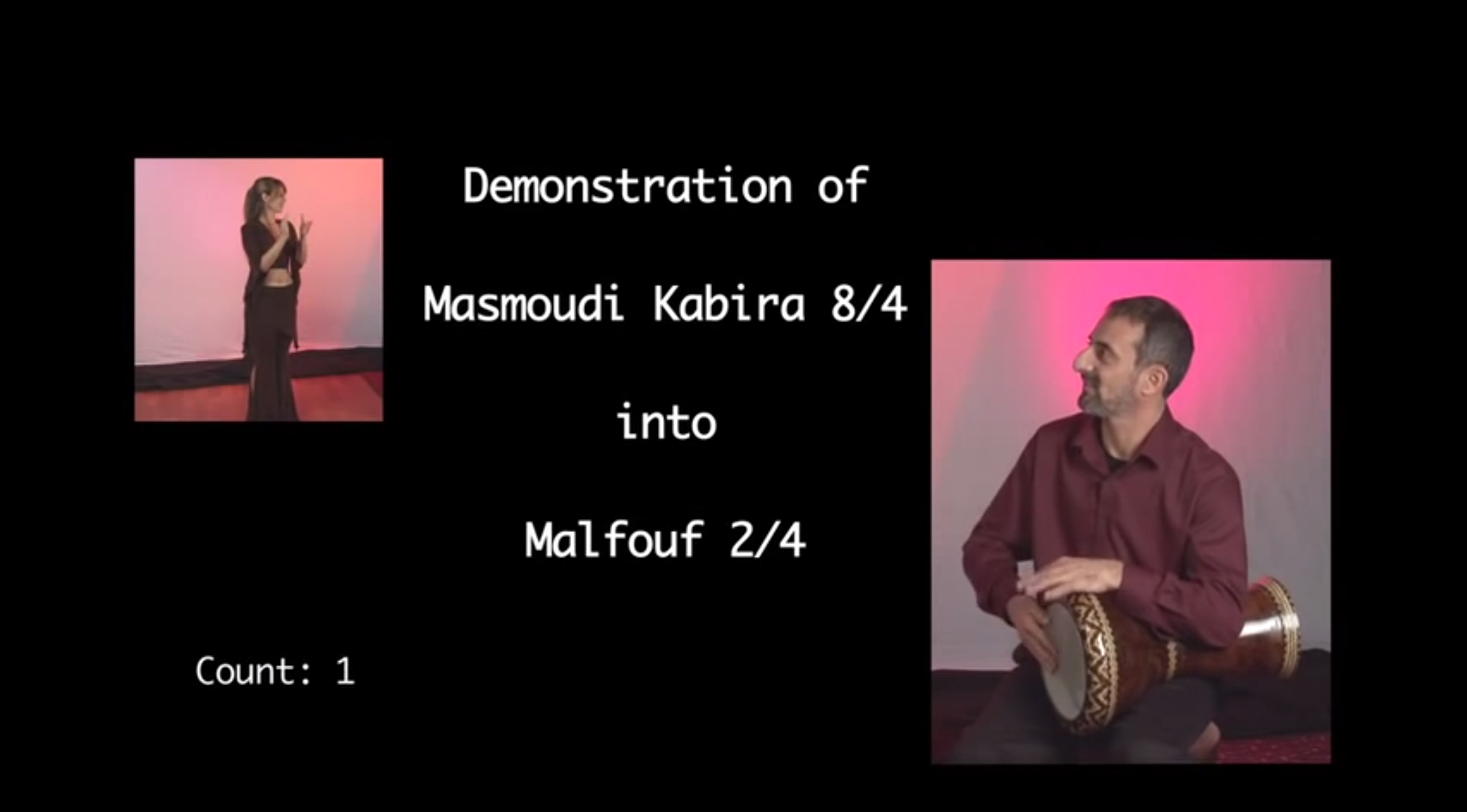
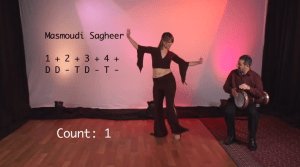
The following section introduces a number of rhythms and movements that can be done to them. Included are masmoudi sagheer, maqsoum, saidi, falahi, malfouf, and ayoub. Each rhythm is shown first in notation, and then performed while Mariyah demonstrates the kinds of moves and move combinations she might do to them. The rhythms are not introduced slowly the way rhythm DVDs for dancers usually do — rather, the focus is on how they sound in an actual drum solo and how to move to them. On the one hand, I had trouble recognizing the rhythms at full speed, even though I know many of these in their slower, class versions. At the same time, I appreciated the exercise in reacting to real music, and loved seeing how Mariyah explored and varied both basic and more advanced bellydance moves. This is, I suspect, the part of the DVD I will return to most often.

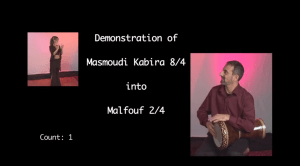
In the section on “The Beat, Tempo, and Changing Rhythms”, Faisal plays two alternating rhythms while Mariyah claps along to the underlying beat. It’s an exercise in listening, and it’s one that I’m glad to have, because finding the beat is a real challenge for me. The next level would be to play close attention to the rhythms themselves, but simply holding the beat was enough for me on the first go.
Dhavir 3

Another favourite section is “Putting the Sounds of the Drum into Movement,” a kind of bookend to the rhythms section. Here, Faisal plays the “Doum” repeatedly, and Mariyah shows the sort of big, dramatic movements she would use for it. Same for Tek, Suk, and Tuq. In what follows, Faisal plays longer riffs, and Mariyah dances to them. In all of these, I simply followed along with what Mariyah was doing. It was generally pretty easy to tell what she was doing, and what I liked about not having instructions was that I could focus on different aspects of her dance — the main accents, embellishment with the head or hands, ways of moving the upper body — and try to follow along with that aspect of the dance. The “follow me” kind of pedagogy is perfect for this kind of exercise, because it’s all about getting these moves and reactions into your body in an instinctual way, not about training you that there are one or two patterns to do when you hear a saidi. It’s training in improvisation, and the more you pay attention to the details of how Mariyah interprets the music, the more you can get out of it.

As if all this weren’t cool enough, yet another section follows, this one on the structure of solos. Faisal and Mariyah demonstrate how dancer and drummer communicate at various points in the drum solo, and again, you get multiple examples of: Introductions, Phrases over a rhythm, Free or arhythmic phrases (typically in the middle of a solo), and Endings.

Honestly, it’s like these people sat down and thought to themselves, “what is every possible way we can teach how to dance to a drum solo?” and then gave you exercises for every single level. Single sound? Check. Riff? Check. Rhythm? Check. Section of the dance? You got it. And never just one exercise for each — multiple ones, so you get lots of ideas and practice. You could also just watch these and analyze, or note down moves or combos you like for your own practice.

Okay, so at this point we’re about 53 minutes into the program, your intrepid, out-of-shape reviewer is tired and sweaty, and feeling pretty satisfied with the whole thing. But — lo and behold, a choreography!

And this is what I mean about different learning styles. If the first half of the DVD encourages you to follow intuitively, analytically, improvisationally, now you get a classic choreo instruction. Mariyah shows you each section slowly and describes every single step, then she runs you through it again slowly and with guidance. Then you practice it twice at full speed following her, and another two times following her in costume (which looks a little different). Every single little section is chaptered and easy to repeat. She does no movement instruction per se, but if you are intermediate you should be able to follow along, at least at half speed. Full speed may take a bit more practice. Here is my second and last criticism: this section is not mirrored, and at one point it became quite challenging for me to follow Mariyah’s left with mine.

Because of the way my brain works, choreo tends to be something I like less than technique instruction. In this case, however, I felt the choreography was a real addition, a completion of the previous teaching, if you will. I treated it not as a dance I would personally perform, but as a series of combos that were mini-lessons in how to respond to rhythms. So I noticed that she’ll sometimes do three moves, and vary on the fourth, or the way she’ll move the movements from the lower body to upper and then back down again. Mariyah’s instruction also helped me figure out some moves which I wasn’t able to discern precisely from the previous sections. After you are done all the individual segments, there is a clip of Mariyah dancing the whole thing in costume. Your intrepid reviewer was, alas, too tired at this point to try and dance along.

The choreography is the kind that’s jam packed and complex, but lest you think that’s the only kind of drum solo there is, the last section of the DVD — about twenty minutes long — offers you five entire improv performances. I watched these while stretching, and while I was a bit tired, I could already see how different they were from the choreographed drum solo. Movements were simpler, you could see Mariyah and Faisal watching and interpreting each other’s intentions. Not only did it have the magic of improvisation, but after all the previous exercises, you could analyse these performances, see what choices each of them was making, see the little moments where things didn’t quite fit, and so on. I know some dancers go directly to the performances on a DVD, and this will be a special treat for them. Five. Five.

The production value of Belly Dance Drum Solos is very high: quality filming, in a bright, modern studio. Mariyah’s costumes make it easy to see her movements even on a small screen. The chaptering is heroic — every single little thing is chaptered, so you can repeat a section at the press of a button, and every section and most sub-sections can be reached through the menu.
Belly Dance Drum Solo DVD disc

Mariyah is, incidentally, an absolutely lovely dancer. Graceful, energetic, musical. She has great technique, but it looks like it comes out of her spontaneously, not out of a desire to show off what she can do. There is a robotic kind of festival choreography we are all familiar with, and which I tend to find rather depressing, but Mariyah’s dancing just makes me happy and hopeful about the art form. For a DVD like this, where so much of the learning happens by watching and imitating, it was really essential that the teacher be a beautiful dancer, and not merely a competent one, because you look to her for style, spirit, interpretation, not just to copy a bunch of moves.

All in all, Belly Dance Drum Solos is an excellent program for dancers who are past the beginner stage and ready to be active in their dance education. It is just under 1 hour and 52 minutes long, but it feels like much more than that because of all the different segments and exercises. I did it all in one go, but you can take the different sections on their own and study or practice with them — certainly the choreography would be worth working with in a more dedicated way to get it up to speed. I think it would also be a fantastic tool for teachers or troupes, since you have built in demonstrations and variations that you could analyse and discuss.

You can get the DVD or a streaming rental at dhavir productions, which also provided me with a review copy.
Belly Dance Drum Solos DVD cover

Review of Samira Shuruk’s Raqfit – Belly and Bollywood Dance Fitness Workout

It’s time to talk hard realities. Hard, hard realities.

Readers of this blog know that I’ve been able to do a lot more dancing in the past couple of years than ever before in my life. It’s been wonderful, taking at least two classes per week, sometimes even more. And yet, there’s this horrible voice in the back of my head that has whispered to me, “Given all this movement, why are you not thinner?”

Well, of course the answer to that involves my love of cooking and eating. But here’s the other answer. I moved cities recently, and have had several months of stress, inconvenience, inadequate child care, struggling to get things going again. So no dance classes. At all. I haven’t been to a class in almost three months. And guess what I’ve learned through this? It turns out, I was thinner! This stress with no exercise thing has been devastating for my figure. (So has the medicinal wine.) And now I know what I would have looked like these past two years had I not done all those classes!

Okay, so I knew that when I came back to working with my videos, I’d have to pick something with some cardio. So I chose a DVD that’s long been on my review list, Samira Shuruk’s Raqfit – Belly and Bollywood Dance Fitness Workout. I knew it would be peppy and energetic, and even though it was already 10 pm and I was exhausted, I was determined to get some exercise in.

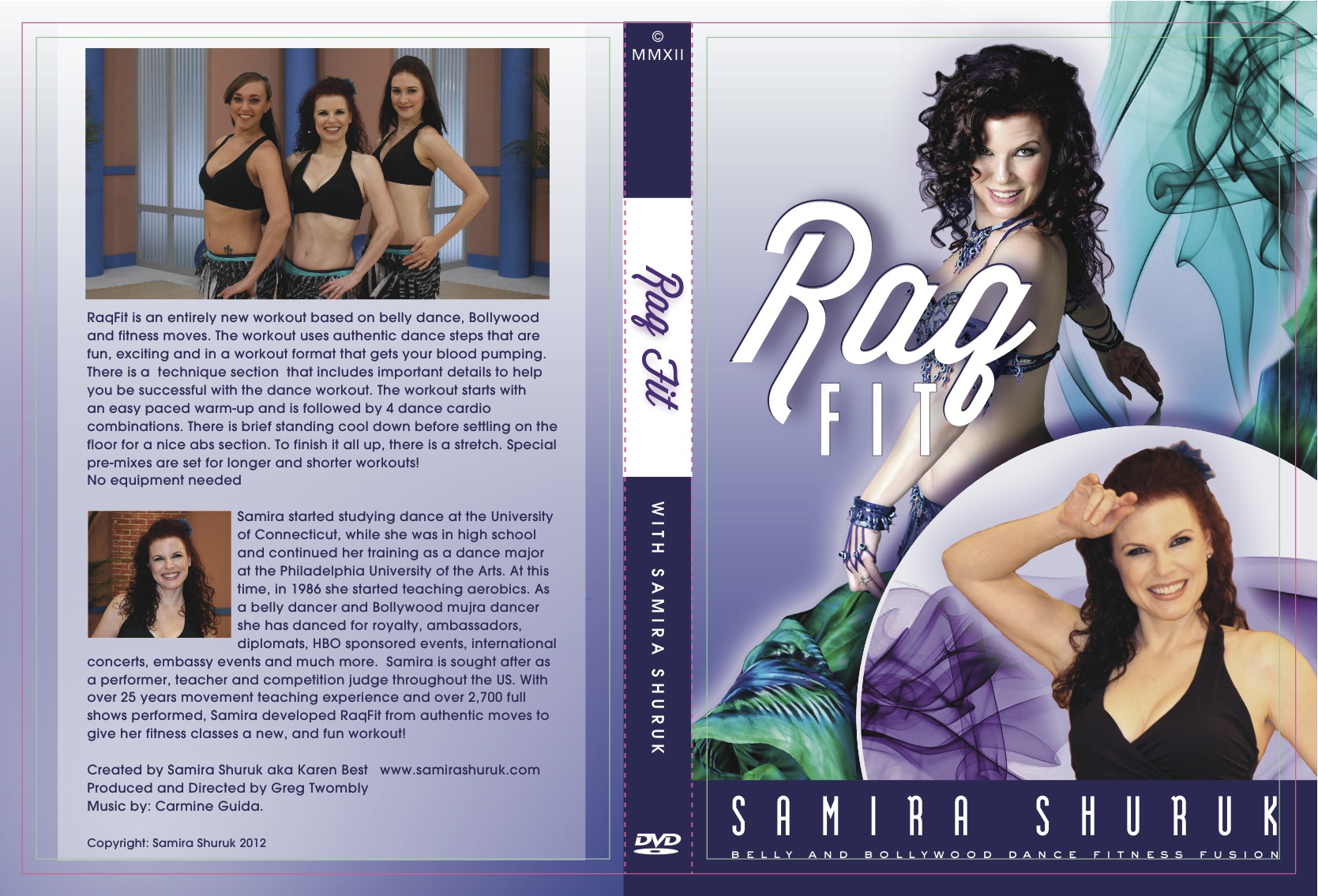
samira raqfit cover

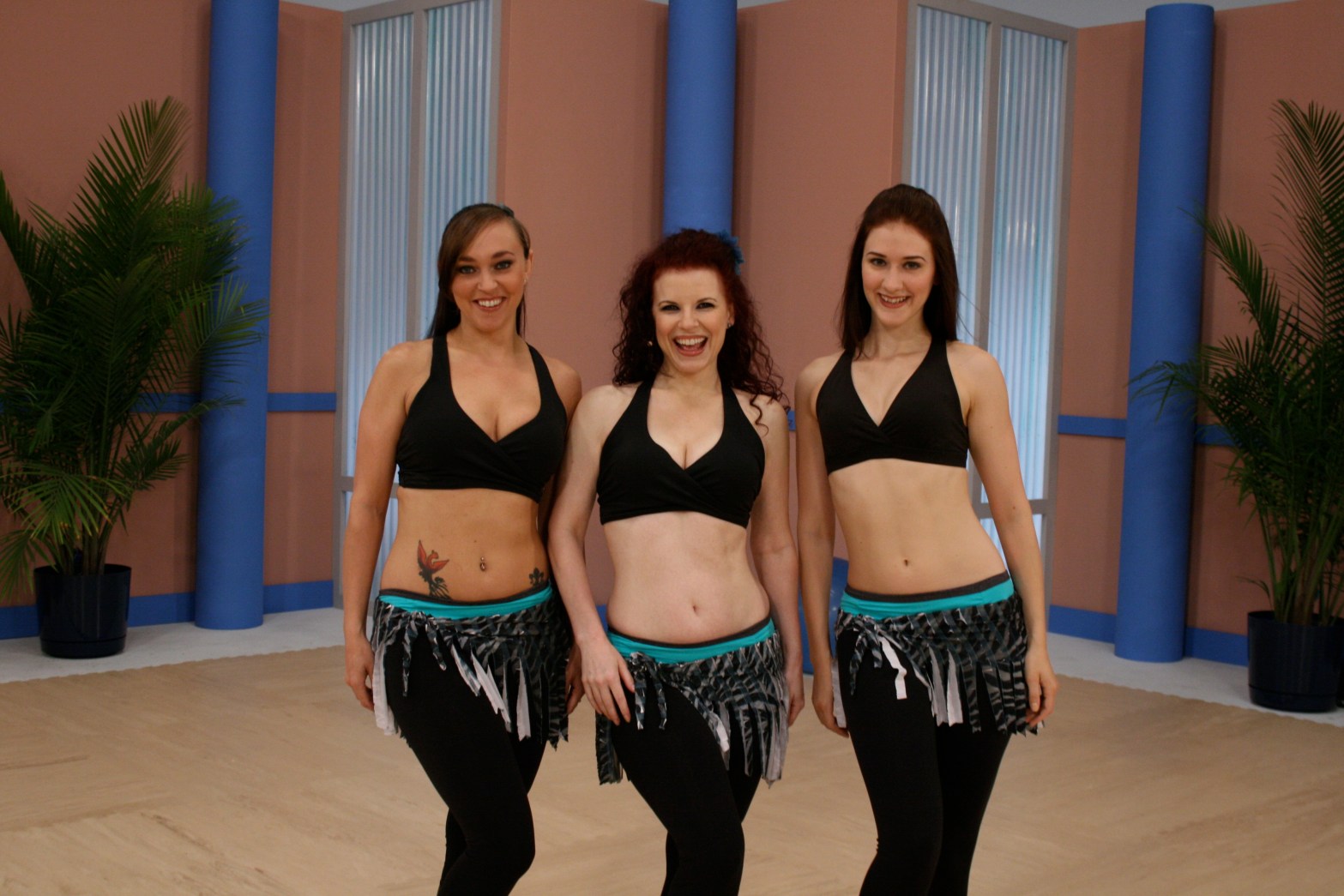
The short version? Raqfit is a fantastic workout program, one that will keep the interest of dancers over many repetitions. It is well cued and intelligently designed. Samira takes the best aspects of the ways cardio programs are designed, and combines it with reasonably challenging and varied dance moves from bellydance and Bollywood. I don’t think it’s the best choice for an absolute beginner. If you have no experience with either of these dances you are best off working with a slower-paced program first. But if you are an advanced beginner or beyond, and want a workout that gets you truly, truly sweating but that still feels like dancing, Raqfit is just right.

Raqfit has a technique section that’s about 8:30 minutes long, and which covers some of the basic moves, especially from the bellydance segments. These are good guidelines as to how Samira does the moves, say the hip bumps or the shimmies, in the workout. But this run-through won’t be enough if you don’t know how to do them at all.

If you play the entire workout, it runs around 54 minutes (this does not include the technique). This includes a warm-up, four basic dance-based aerobic segments, two of which use bellydance moves and two which use Bollywood moves, a smooth, elegant standing cool down, a short pilates-based ab workout, and a quick but effective stretch for leg and abdominal muscles.

Here’s what I think is smart, and which (hint to DVD producers!) all DVD producers should do. The DVD also includes pre-programmed “mixes”. So you can do all the warmup and cool down stuff with just the two bellydance workouts, in 36 minutes. Or with just the Bollywood workouts, in 34 minutes. And there’s a “Raqfit Challenge” in which you do everything, but with no breakdown of the dances, so it only takes 29 minutes. So you can choose how to use the DVD based on your dance preferences and the amount of time you have.

That said, I loved the explanations. You know how aerobics/cardio videos will show you one step, then add something to it, then add another variation, and then have you repeat the thing until you go nuts? Samira does this, and it turns out that it works fabulously for dance workouts. Why? Because if you need to stay at an easier level, you already know how to do that — you just don’t add the extra arms or whatever. You don’t have to look at what the “beginner” person in the back is doing, you just know to stick to the basics because that’s how you started.

And this is sometimes necessary. The dance moves are varied, with turns, changes of direction, asymmetrical choreography, movement on diagonals… the movements are high paced and repeated enough to get you sweating, but there is also a lot of work for the brain to do. I paid more attention to the bellydance moves, but they also were not just the usual hip bumps and drops you see in workouts. Instead, there were pencil turns, hip twists on releve, small hip circles layered on traveling steps, slightly Suheir Zaki-ish vertical hip drops… and in general more things done on top of traveling steps than I’m used to in a workout DVD.

In other words, it’s not a DVD you can do perfectly on the first go, but you can grow into it. It’s worth adding that Samira cues everything, all the movements are mirrored, and she often says “the side closest to the tv” instead of saying “left” or “right,” which actually makes it easier to follow. She also reminds you to keep your abs engaged when it’s particularly necessary. I am still trying to figure out how she can look so happy and graceful while I felt like one of those hippos in Fantasia!

As to me, being out of shape, I had to struggle to keep up, and I did take breaks. Also, a little person got out of bed to interrupt me when I was twenty minutes from the end, but I persevered. But by the end I felt great, happy that I’d finally gotten moving. And the next day I had a delicious amount of post-workout burn all over my body. And the biggest surprise was looking in the mirror, and seeing that things already looked a little more, well, under control than they had.

Review of Heather Wayman’s Belly Dance for the Busy, Everyday Woman

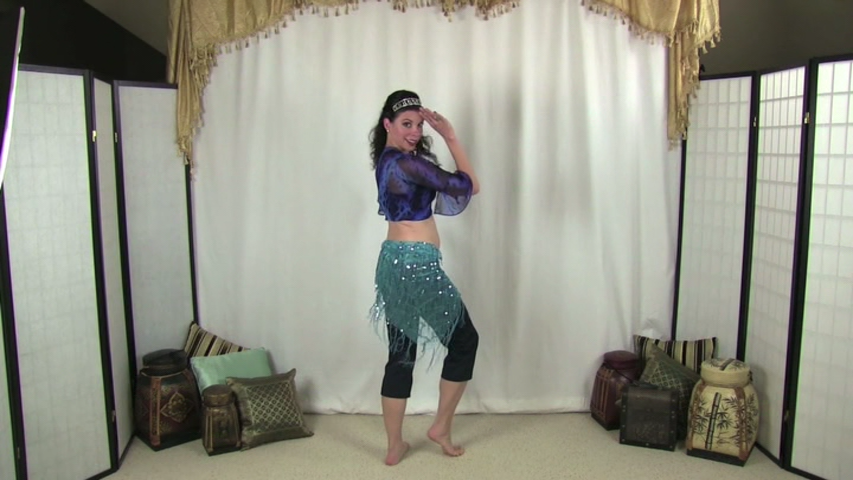
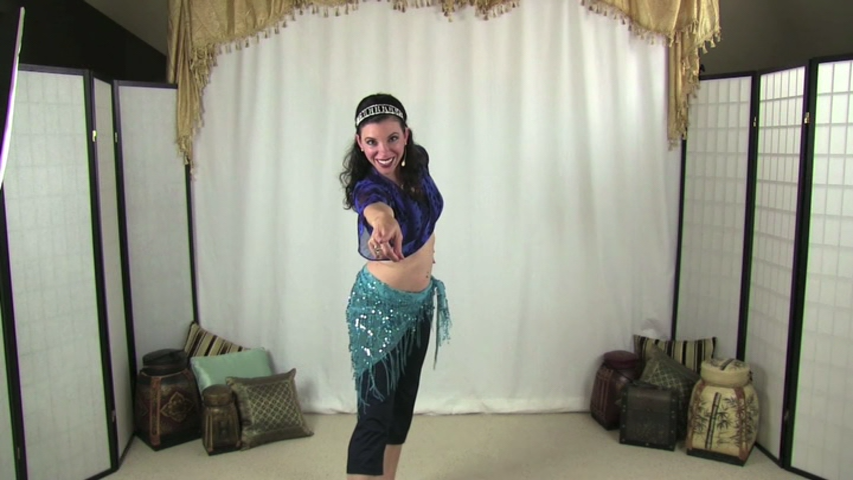
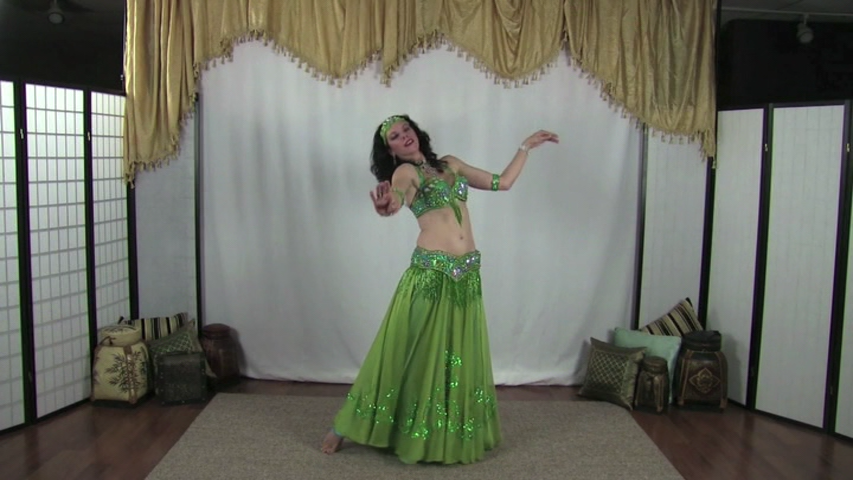
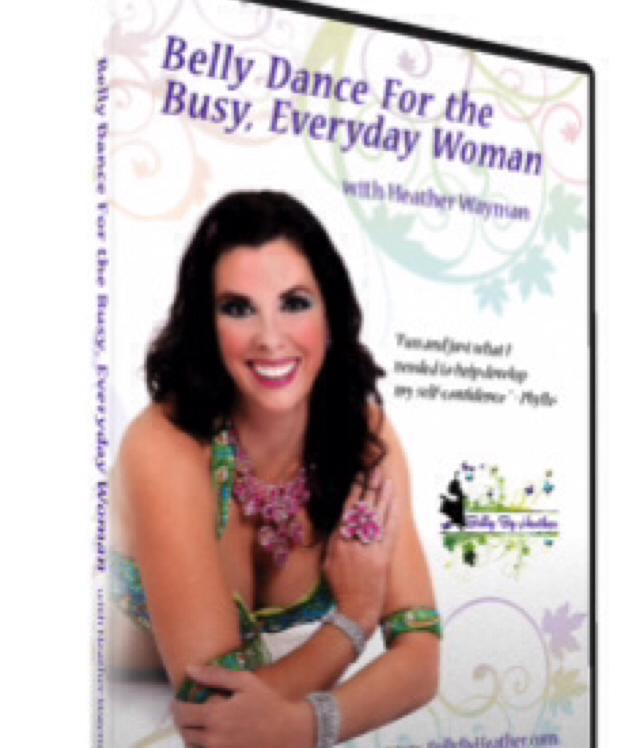
Hmm…. I wonder who that busy, everyday woman in the title of Heather Wayman’s new DVD is? Look, dear readers, you know I try to write reviews that give you a sense of what it’s really like to work with a DVD. For a normal person. A regular, non-pro dancer, with a practice that goes up and down. But this time I went a little overboard with the method acting approach to bellydance DVD review. In the past while, I was so busy, and so everyday, that I could barely get to dance. Due to ongoing babysitting mayhem, one cold after another, and a husband working out of town, I’ve been missing my live classes, and often finding myself so pooped after a day of work and childcare that I can hardly bring myself to pop in a video. Heather Wayman, bellydancer So I’m the perfect test case. Heather Wayman’s Belly Dance For the Busy, Everyday Woman is designed for beginners, for women who don’t have a lot of time to devote to their practice, for women who can only do a little bit at once. And this is exactly how I worked with the program. I never did it all the way through. Instead, I made smaller programs for myself by combining the warmup, one or more segments of instruction, and the cool-down. Before I get into the details of the DVD, let me give you the big picture. I had two big question marks going in: would this program be accessible to beginners, and would it really work around a busy schedule? My answer to both is yes. If you have never taken a bellydance class, with a little concentration you could follow Belly Dance For the Busy, Everyday Woman. But while most beginner DVDs give you a lot of moves but don’t show you how to put them together, Heather shows you just a few moves, but puts them into a basic choreography you can dance. It’s a different approach to beginner instruction, one that incorporates music and transitions, but doesn’t give you every move in the book. As to the busy schedule, the fact that the segments are short did make me think that, okay, even though I was tired, I could just do the warmup and one segment and still have danced a bit that evening. Once I got my computer set up I tended to dance for longer than I intended, which was nice, but not always. But here was the surprise: even when I only danced a little bit, when I did make it back to class my movements were smoother, faster, better coordinated. This happened several times, and I was amazed to notice that even a short, well-structured program could make a difference to the dancing I did in class. In other words: you can do something, even when at your busiest, and most tired. Heather Wayman demonstrating beginner bellydance moves But now let’s get to the nitty gritty. Belly Dance For the Busy, Everyday Woman consists of an introductory sections, nine learning modules, and a closing section. Introduction Heather begins by describing the program, how to work with the DVD, and how the mirroring works. Mirroring is always important, but for a beginner choreography, even more essential. She then goes through proper dance posture. Her description is brief enough to remember, and she repeats it several times, and continues giving posture reminders throughout the program. One of the things Heather does that’s unusual for a beginner’s DVD is to explain why you should hold your knees or back in a certain way — either because it affects the look of the dance, or because it can prevent injury. Mirroring, posture, healthy movement — these things are, in my opinion, essential for beginner DVDs. This is followed by a short warmup. While it is not particularly long, it is also not just stretches. Heather does get you moving enough to raise your heart rate, so you’re actually warmup. What struck me about the warmup is that it’s all done standing, and even with the aerobic movements, can be done in a small space. Great for the home learner who doesn’t want to pull out the yoga mat or push the furniture around.

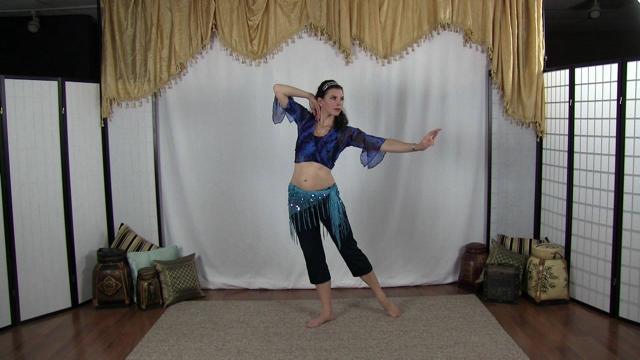
Heather Wayman demonstrates beginner belly dancing

The Modules Modules 1 to 6 help you build towards a choreography by introducing around three movements and putting them into a small combination. So, for example, module 1 introduces chest lifts, vertical chest circles, and shoulder rolls. The combo is then repeated with cues, with cues and music, then just with music. And every single one of these sections is reachable in a submenu, so if you want to practice in just one way, you can. Heather works through the verses of the song, and includes enough repetition of combinations that you wind up covering quite a bit of the song with a few basic patterns. The music is fun, and the moves are cute and go with the music in a clear, easy to grasp way.

Heather Wayman shows belly dancing moves

Especially when I began working with the program, I wondered: would a total beginner do okay with this? In a sense, it’s hard for me to tell. Heather’s descriptions of movements are very thorough, often even pointing out what muscles are used to drive a move. That can be helpful for some beginners, but others just need a lot of drilling, or more basic instruction. Shimmies definitely take a lot more time and work than they’re given here. But while this video does not offer a lot of individual drills, Heather does give a lot of tips on on typical beginner mistakes or “pitfalls”, which would allow you to self-correct. The thing that I thought was particularly clever was to offer a choreo that has changes of direction, level, and intensity. When we first learn bellydance, we tend to do a lot of “four of this, four of that” choreographies, usually facing forward (to the mirror). It’s hard, at the start, to see how you can do interesting things with the movements. While Heather teaches a limited number of moves, she’s implicitly teaching how they can be varied and built into a dance — and I think this is really important. The final three modules do not teach moves like the others. Module 7 focuses on Taqsim. In this section, Heather describes taqsim, and offers examples of how to dance to the taqsim beginning of the song. (The choreo lessons begin after the taqsim.) In Module 8, Heather goes through the choreography again, counting it out, then doing it with music and cues. And in Module 9, Heather goes through the combinations and moves already covered and suggests corresponding arm movements. Special Features Under the Special Features menu, you get a series of options. The first is a written list of the combinations. Next up is a mini-lesson on possible ending poses. From this menu you can also choose to dance along with a vide of the choreo taken from the back, or you can watch the dance as a costumed performance. And finally — a gag reel. But wait kids, that’s not all! Heather also offers bonus content on her website that I had a peek at. This is only available if you buy the DVD from Heather’s website. It’s material that didn’t make it onto the DVD for reasons of time, and it includes:

  • Choreography notation in an Excel spreadsheet
  • A stream of the edited music
  • Downloadable files of the individual combos from the back view into a mirror, in a loop for practice
  • The same videos, but watchable in the browser
  • A video with alternative arms and stylizations for the combos
  • A set of bonus taqsim demonstrations to other music

Heather Wayman's costumed belly dance performance

Other notes I’ve taken a live workshop with Heather and corresponded with her via email and Facebook. (And this was, by the way, a review copy I worked with.) She has a healthy dose of bellydance nerdiness, by which I mean that she thinks. This DVD shows the marks of her thinking about how to make the material useful and approachable to the beginner in every possible way — menu options for each little section, various ways to practice the full choreo, etc. I sometimes found this a bit confusing (I couldn’t quite tell why some things were modules and other things were special features), but overall, I think having a DVD with lots of different options is a Good Thing, and a great use of the technology. The other thing I really liked, and that I very much hope other DVD producers will note, is the kind of music used in the DVD. What do I mean? Heather uses three different songs — one for warmup, one for the choreo, and one for the cool-down. All of these songs are on the same CD, Raksa With Amir: Music for Bellydance. You only need to buy one. Oh yeah, and the CD is moderately priced, is available digitally (because is a beginner really going to wait for an obscure vendor to mail them a CD?), and if you don’t want to spend nine bucks on the whole CD, you can just buy the songs individually. And the music is good. The choreo Heather teaches does not take up the whole of Halim Mix, but it occurs at the beginning, so someone looking to perform it would not have to do complicated cutting. Is it for you? If you are beyond the beginner stage, or are looking for a comprehensive collection of moves presented in a systematic way, this is not the DVD to challenge you in the way you want. If you are truly a beginner, or have only done a bit of class… if you want to start putting moves together into a manageable choreography, or even learn how to modify basic moves to make them look interesting, Belly Dance For the Busy, Everyday Woman would be a good choice. You can get it at Amazon, but the bonuses are only available if you order direct from Heather at www.bellybyheather.com. 10441961_10152095942980518_6287854576637646118_n

Review of Kristina Nekyia’s Get Bent: Circus Style Flexibility Training

Alright, admit it: I cannot be the only person to look around during the cool-down part of dance class and compare my flexibility to the dancers near me. It’s not that I’m much competition to anyone, not counting a few joints in my arms that allow me to perform East European circus tricks to the horror of all around. And it’s not that I’m planning on doing the splits in the foreseeable future. But there are so many times I come up against the limits of my flexibility — a back bend here, a plie there — and I wish those limits were a little further.

This is why when I heard about Get Bent – Circus Style Flexibility Training with Kristina Nekyia, I was dying to try it. I didn’t know if I could dream of splits, but I did want to know what tools were out there to help. I received a review copy from Kristina, and have worked with it a number of times over the last while.

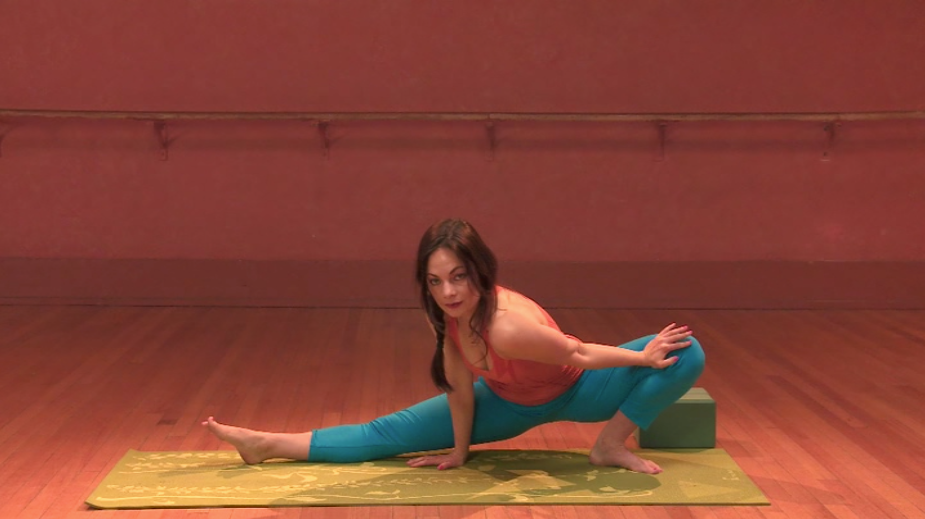
Kristina Nekya does dancer stretches

The first thing to say is that this video is definitely not for people who have not moved around in a while, or for the overambitious who cannot pay attention to what their body is telling them. Get Bent is an intense program, you go into stretches for relatively long periods of time, and it plays on the edge of discomfort. As Kristina explains in the introduction, you need to differentiate between good and bad pain, and she describes how to recognize which is which.

To be perfectly honest, the first time I worked with the video I wasn’t sure if I had pushed myself too far, and was afraid that I wouldn’t be able to move the next day. In fact, I felt fantastic the next day, all kinds of aches and pains were gone. This has been true every time I have done the video — for me, it works like a really good yin yoga session. But I would still say that you need to be smart, careful, and aware using this DVD, as you will not have a live coach to watch over you.

The first section is a Warmup, which is more of a joint-loosening warmup than one to get your heart up very much. You systematically move all the joints of your body, from the wrists to the ankles, and start to practice some squats and leg raises. I was very glad to have this, as I would not have wanted to stretch cold, but I imagine that doing the video after a long workout would be even better.

Part 2 is Splits Preparation, which consists of forward and sideways lunges held for a good long time, followed by a series of yoga postures designed to relax the hamstrings. While some of the moves are yoga, the instruction isn’t. Kristina carefully guides you through dynamic stretches, using gentle movement and tensing and releasing of muscles to attain a deeper stretch. Everything is done equally on both sides. I find the little “tricks”, especially with tensing and releasing muscles, incredibly helpful.

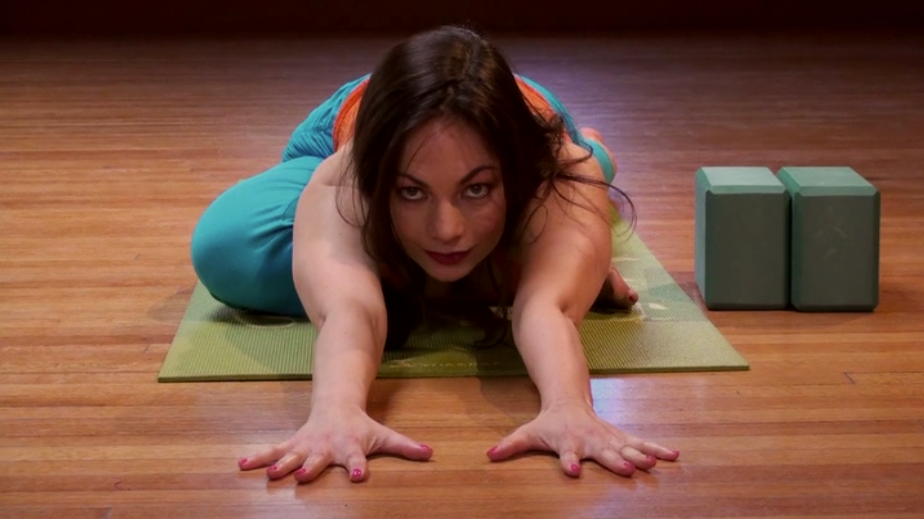
Kristina Nekya does yoga

Part 3 is Splits. This was the hardest section for me, mainly because I can’t do anywhere near the splits. As much as it was difficult for me to levitate in the position that was as close as I could get, I did feel that I was stretching in a way that was beyond the lunges in Part 2. However, the middle splits are something one can practice even without too much of a range of motion. In this section, as through the video, Kristina gives you quiet encouragement and tips on saying nice things to your body. This sounds sort of funny at first, until you realize it works. So yes, I’ll admit it, I now say nice things to my body in my head when I’m stretching! The Splits section would be particularly valuable to people who can already do the splits, since there are also exercises for going beyond a 180-degree stretch.

Next comes the Shoulder Warm Up & Stretch. This was one of my favourite sections of the DVD, and perhaps the most generally useful. I sit at my computer a lot, for both work and fun, and it is not good for my shoulders and upper back. Kristina’s exercises really loosen the shoulders, and she also has some gorgeous stretches for the front of the shoulders and the chest. Again, this section would be worth doing as a break at the office, but would also be worth incorporating into a dance warmup. Really delicious.

The Backbends section will probably be most interesting to bellydancers. Kristina uses a mirror/wall to bend towards, but she also guides you to move from the upper back only, keeping the lower abdominals still. Again, this is one of those exercises I worry about when I’m doing, because I don’t want to hurt my lower back. But I’ve always been careful only to go as far as I could while still following Kristina’s instructions, and I’ve felt fine.

Finally, you get a short but satisfying yoga-based Cool Down. You have earned it. Heck, if you’re anything like me, you’re probably shaking at this point.

Throughout the DVD, Kristina is encouraging and funny. While she is clearly very fit, she is also curvy, and frankly, it made me very happy to see someone on the screen with a body similar to mine, but doing really cool things with it.

So the big question: does it work? I haven’t done the video the recommended three times a week, nowhere near it, so I can’t speak to the effects it would have if you really did it religiously. That said, when I did work with it, I noticed a difference in my classes afterwards. My muscles were remarkably looser, I felt more flexible, and I felt like I knew how to stretch better. I have to imagine that doing the video regularly would increase my flexibility even more.

You will like Get Bent – Circus Style Flexibility Training with Kristina Nekyia if you have some experience with stretching or yoga, are aware of your body and can respect its limits, and are craving really deep, long stretches. If you can already do splits, you will probably use the video as a maintenance and extension program. All of the program is useful for dancers, but there are parts, like the upper body and shoulder stretches, that bellydancers will particularly enjoy. I also think you’ll like it if you want the feeling of having done a great yoga session — you know, that sensation of everything in your body having been pulled apart and put back together loosely — without all the yogic tralala.

On the other hand, you will probably be frustrated with the DVD if you are very inflexible; in that case, you might be better off with a gentle yoga program. You also should not expect contortionist circus tricks, despite the title. These are very straightforward, well-known stretches, guided well, and with some extra techniques thrown in to make them feel better. But don’t expect to be pretzeling your legs around your neck or anything.

Kristina’s website is The Nekyia. You can get Get Bent – Circus Style Flexibility Training with Kristina Nekyia at Amazon by clicking the photo below.

This style is my style: A Guest Post by Chantal Dos Santos

I met Chantal at the Randa Kamel and Ranya Renee workshops sponsored last May by my studio Hayal. Since of us are dancers from Canada living in Germany, we had quite a bit to talk about. One of the topics that kept coming up was the difficulty of finding one’s own personal style in a crowd of influences. I’m delighted that she’s agreed to write my very first guest post on this subject!

Chantal has been bellydancing since 2006, and has expanded her range with studies in a number of other dance forms, including flamenco, African dances, Russian Romany, and contact improvisation. She’s now based in Nuremberg, where she performs and teaches — among other things a course on bellydance combined with pelvic training, a course in which many women with traumatic experiences explore movement. You can learn more about her work at www.cdsmovement.com.

Read Chantal’s post, and then let us know — how do you go about finding your personal style? What have been the challenges? What has helped you learn what to incorporate into your dance?

This style is my style: A reflection

Chantal Dos Santos

Years have gone by since I’ve taken up bellydancing and in that time I’ve seen rounded arms and soft knees straighten out into right angles and muscular accents; I’ve seen ballet training become a prerequisite as pirouettes and arabesques have found a home in the basic footwork and travelling steps of oriental dance (next time you are at a Randa Kamel workshop, count how many times you hear these two terms. I dare you to try and keep track!) Thanks to our modern world full of YouTube videos, blogs, social networks, Skype, and the relative increased mobility of people, one who is fascinated by bellydance does not have daydream of a exotic world far away. Everything you need is a couple of clicks away. But how does one sort through all of this input, and organize it into one unique personal style? This is the step that I’ve reached in my dance practice.

I’ve found I’ve reached a point where the learning curve is very steep. A lot of teachers have left their mark on my dance style, so now I’m at the critical point where I’m sifting through what seems to be a mountain of moves and distilling them into one cohesive set of movement vocabulary. Kind of like trying to create a palatable 3-course meal out of a random assortment of ingredients in your kitchen. Thankfully there is more than half an onion and a shrivelled old pepper among the ingredients in my cupboard, but even the most luxurious dark chocolate will leave a bad taste in your mouth if you sprinkle it with caviar.

For a bellydance enthusiast, I watch an embarrassingly low number of bellydance videos and rarely attend shows. Ever since I’ve relocated to Germany, I’ve kind of observed the bellydance scene from afar, taking the opportunity to engage in other dance forms and somatic movement workshops. I’ve carefully avoided becoming part of the scene. Being part of a “scene” has its positives and its negatives for sure….too much input can be as bad as not enough input. When is enough enough? Fifi’s Jewel, Dina’s large hip circle, the floats of American Cabaret …where does a girl who just wants to dance fit in? Honestly if someone else has done it before, I don’t really want to do it. When I look at a good dancer, I don’t see just the movements, but rather the joy in movement. The way the movements flow together, the character and emotion they bring to a performance, the nuances that make them unique and memorable.

Technique training is and always will be the cornerstone of a dancer’s practice. Without it we can’t reach the level where we are free to express ourselves. I look at it like any spoken language: you first need a certain amount of vocabulary in order to communicate, and continuing to acquire vocabulary increases your ability to express yourself.

I’m thankful for teachers who push students to be their own dancer, and give students the tools needed to get past any fear and discomfort and hone their own style. This past Summer I went to an amazing 6-day Feldenkrais / Contact Improv retreat (hugs and kisses Thomas Kampe and organizer, Sicularte!). The most important point I took away from it were two simple sentences: “You are the expert of your own body. Everything you need to know is inside of you.”

So, I am much more selective now about which workshops I pay for. I have no more qualms about saying “He/She is a great dancer but that topic is not what I need right now”. Now when I choose a workshop, I am focused on what I want to get out of it and also open to the possibility of a pleasant surprise: maybe be I will hear a word of wisdom, or learn a move that gives me a great feeling in my body. That’s what bellydance has to be for me: a great feeling in my body. Whether I find that feeling in straight and muscular, or soft and earthy will play a big role in what comprises my personal style. I’m on my own now, armed with stacks of DVDs, a bellyful of training and a pinch of courage, on the journey to find what feels great, and eventually my personal style. Let the discovery begin!

New Blog, New Look, Same Opinionated Me!

Anything looking…. just a little bit different

Dear readers, the blog has been on a hiatus for the past few months. I’ve been thinking about what to do with it, where it might go… finally, I decided I really wanted to have my own space online, and have it look comme il faut. So here we are at the new Atisheh.com!

Some changes you’ll notice:

  • You can now see what I look like. Yes, it meant giving up some internet anonymity, but I want you to know that I’m not a robot.
  • The “Categories” list now lets you see at a glance the areas I cover, and navigate to your point of interest.
  • A lot of the menus and widgets are hidden under the icons at the upper-right corner of the screen. Want to see a calendar, tags, or more info about this site? That’s where you’ll explore.

I could not have done this makeover without the Facebook advice of many generous dancers. I’m still open to tips! Let me know what you think. 

Review of Hannan Sultan’s Elegant Turns and Arabesques

I’ve had Hannan Sultan’s Elegant Turns and Arabesques for a couple of years. Up until now, I’ve mostly just peeked into it, sometimes to see how she describes the technique for a spin I’m having trouble with, sometimes even to try and work with it. However, I’ve been hampered by not really having enough space to practice properly — chaîné turns take room! — so was always a bit dissatisfied.

Enter today, and the opportunity to rent some studio space near the in-laws’. I knew I needed to practice, since I’m away from troupe training for an unconscionably long time, and have some sad, sloppy turns to deal with. And by a stroke of luck, I got the studio for four hours today — an unexpected luxury. Imagine — a sunny studio, with a perfect floor, mirrors, and a nice sound system, all to myself!

Working with Elegant Turns and Arabesques in a proper studio made all the difference. I suppose if you have a large, empty room at your disposal, you will also do well. But know before you start out that the turns and combinations Hannan teaches are really meant to cover room, and you will get the most out of the DVD if you can drill and repeat without bumping into a sofa.

The program itself is about 68 minutes long. Hannan explains at the start that you will really need to drill these techniques on your own to get them, and recommends stopping the video to practice or working on the moves independently. This is true for all dance instruction, but boy is it ever true for turns, which just genuinely take a lot of practice to be anywhere near passable. (At least if you’re me and turn-untalented.)

After a brief Introduction, Hannan discusses Posture, Visualization, and Arms. In this latter section, she reviews and demonstrates basic posture, talks you through a visualization to help direct the energy in your body, and quickly demonstrates how the arms are supposed to move with relationship to the shoulders. This was a quick section, and is really more valuable as a reminder than as detailed instruction. I have done something like the visualization she describes in troupe training (my teacher also studied with Aziza, so I wonder if there’s a connection there), and it is indeed a powerful tool that changes the nature of the movement. But it would have been more valuable in this video if Hannan had reminded us of the visualization during the turn practice.

The next section is on Turns and Arabesques, and covers the following techniques and moves:

Spotting
Three Step Turns
Cross Turn (I know this as a Tip Turn)
Chenee Turn (a.k.a. chaîné)
Chenee Variation
Low Turn
Flamenco Turn
Corkscrew
Barrel Turn
Arabesque
Jazz Arabesque
Backward Arabesque

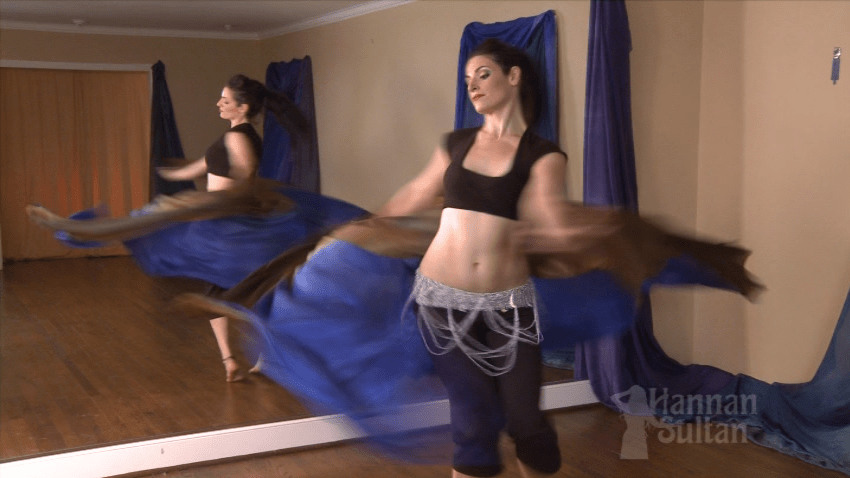
Hannan teaches facing a mirror, and quite smartly has a ankle bracelet on her right foot so you can always tell which foot is which. She breaks down the turns carefully, including the starting position, goes over how to spot and reminds you to do so, and then drills it several times on both sides. And she sometimes has clever, funny ways of making you remember something — the mullet move is one I’ll treasure every time I work on my arms during spins.

The big takeaway for me, and the reason why I will love Hannan for ever, is that this video really, truly made a difference to my chaînés. I followed her instructions for spotting and doing them, and just practiced and practiced until they started to feel good. She teaches a variation of the chaîné in which you are on releve but with bended knees, and has you drill a combination of straight-leg and bent-leg chaînés. This turned out to be a great way to drill more chaînés together, since the slight change in point of balance helped me keep my focus. Pretty soon I found myself doing five, six, eight chaînés before getting dizzy or not landing right, whereas I’m usually dizzy and out after three.

Some other notes… instruction on the cross turn was good, but she mentioned the most important bit later, during the flamenco turn: keeping your thighs pressed each other. The barrel turn she teaches is a version with a single turn; it’s pretty, but I need to get a handle on multiple barrel turns. I adore the flamenco turn. It’s kind of fiendishly hard to get all those components working together, but after practicing for a while on my own I got a version which, though not right, made me feel wonderful.

The arabesques were also well taught and heavily drilled. I’m a big fan of the jazz arabesque, with the foot skimming the ground. The backward arabesque remains challenging, but is one of those moves you just need for oriental dance.

The final section has four Combinations, in which Hannan puts together turns and arabesques already taught. There are four of these, ranging from simple and fun to truly challenging. What’s really neat is the final combination, for which Hannan teaches you a number of variations that you can do when performing the combo with a veil. In effect, she winds up teaching several more turns (or rather, arm positions that change the look of the turn). She also introduces several steps here that are not turns or arabesques, but that are very pretty — in fact, one of my favorite moves in the whole DVD is in this section! All in all, the Combination section is what gives the DVD even more growth value, as these are things you really have to work on to get them looking smooth.

How could the DVD have been improved? Well, I thought most of the sections had a good amount of drilling, but a small minority ended too abruptly. I would have liked more tips on balance and the dynamics of the turn, since these are my weak spots. That said, I found that through the practice, these weak spots got less weak anyway.

The positives are solid instruction from a beautiful dancer, with some truly lovely moves and combinations thrown in. After working with Elegant Turns and Arabesques I spent some time improvising. Whereas I usually shy away from turns and arabesques, now I was flitting around the studio with glee.

Smells like progress

This evening was my third day in a row in the studio… troupe training on Monday, regular class on Tuesday, and a makeup class today. (And I’ll have class tomorrow too, but that’s another story, and the reason I’m chugging magnesium right now.) In every one of the last three days, there have been multiple — not one, not two, but more than I could count — moments when I was doing something that looked awkward, terrible, ungainly. Where I just basically could not do what was asked of me. Normally, I would get frustrated and mad with myself for not being further along, would think about all the time I wasted over these past years when I could have been learning to zill or do a stupid chaine. And yet… I was in some kind of weird Zen state where I just. did. not. feel. bad. about. it. I saw how awful it all looked, and thought, “Wow, that looks awful. I guess I’ll try again.” I was weirdly fine with the realisation that it wouldn’t stop looking awful during those 90 or 120 minutes. I was happier to be learning so much than I could feel sad about what I didn’t know, if that makes any sense.

I did feel a bit bad for my teachers who had to put up with the noise and see some spins they probably could have lived without seeing.

I don’t know if it’s reading and re-reading Steven Pressfield. I don’t know if it’s all the motivational things people post on Facebook, or the talks with dancers in real life, or all the articles about how we always look terrible when we start to learn things… but for once, sucking felt fine, because it also felt like the beginning of learning.